
 Anderson Zoya
 A designer radiator can transform a room—but only if it’s the right size. Too small, and your space stays chilly; too big, and energy goes to waste. Learn how to match style with the exact heat output your room needs for perfect comfort.
A designer radiator can elevate a room visually, but performance should always lead the decision. Every space has a specific heat requirement shaped by size, layout, and insulation levels. Choosing correctly ensures comfort while keeping energy use under control and avoiding unnecessary adjustments later.
Getting this balance right also helps manage the cost of designer radiator installation, as well-sized radiators are less likely to require pipe changes or system upgrades after fitting.
Heat Every Room Perfectly Without Wasting Energy
Rooms lose heat at different rates depending on their structure. External walls, window size, and ceiling height all influence how much warmth escapes. Larger or exposed rooms naturally demand higher heat output to maintain a stable temperature.
When heat demand is underestimated, the radiator works harder than it should. This not only affects comfort but can also increase running expenses and indirectly raise the cost of designer radiator installation if changes are needed after installation.
Why Floor Area Alone Can Be Misleading
Many homeowners rely only on room size when choosing a radiator. This approach often leads to poor performance. A compact room with limited insulation may require more heat than a larger, well-protected space.
Ignoring these factors can result in selecting an undersized radiator. Correcting that mistake later often adds to the cost of designer radiator installation, especially if wall reinforcements or pipe alterations are required.
Selecting the Correct Heat Output Rating
Heat output defines how effectively a radiator can warm a room. Designer radiators vary widely in output, even when they appear similar in size. Checking manufacturer heat ratings is essential before making a decision.
Choosing a radiator with slightly higher output than the minimum requirement allows flexibility during colder periods without increasing energy waste. This approach supports consistent warmth and avoids future installation changes.
Orientation and Placement Matter More Than You Think
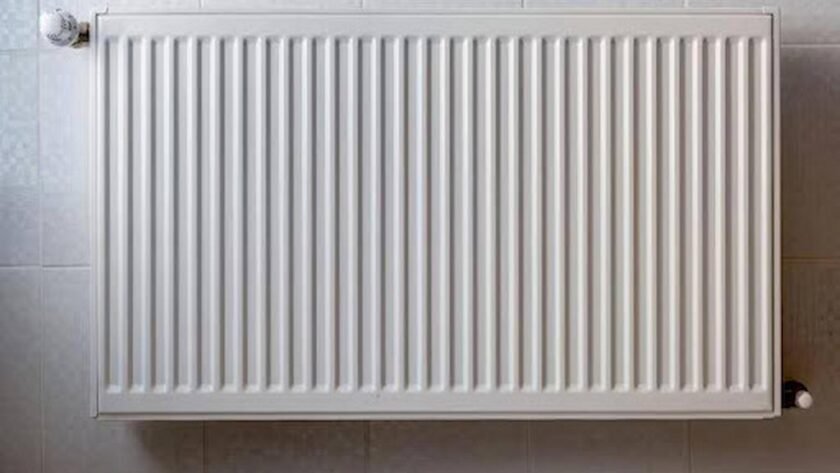
The orientation of a radiator affects how heat circulates. Vertical designs work well in narrow spaces and push warmth upwards, while horizontal models distribute heat across wider areas. Panel radiators offer balanced performance in smaller rooms.
Poor placement can restrict airflow and reduce efficiency. Correct positioning helps the radiator perform as intended and prevents extra work that could increase the cost of designer radiator installation.
Considering How Each Room Is Used
Not all rooms need the same level of warmth. Living areas benefit from steady heating, while bedrooms often require lower output. Bathrooms need quick heat delivery due to moisture and ventilation demands.
Matching radiator output to room usage improves efficiency and prevents overheating. Oversized radiators in low-use rooms often lead to unnecessary energy use without improving comfort.
Installation Planning and System Compatibility
Installation involves more than fixing a radiator to the wall. Pipe access, wall strength, and compatibility with the existing heating system all play a role in performance.
Thoughtful planning helps control the cost of designer radiator installation by reducing the need for system changes. A well-matched radiator integrates smoothly and delivers consistent heat from day one.
Balancing Design with Practical Performance
Designer radiators are chosen for style, but function must remain central. Slim or sculptural designs may offer less surface area, meaning higher output is needed to compensate.
Material choice also affects performance. Fast-heating materials respond quickly, while heavier options retain warmth longer. Selecting the right combination ensures both visual impact and dependable heating.
Avoiding Costly Selection Errors
Common mistakes include focusing only on appearance or ignoring heat output figures. These errors often lead to replacements or modifications later.
Key issues to avoid include undersizing radiators and overlooking insulation quality. Addressing these points early helps keep the cost of designer radiator installation predictable and manageable.
Long-Term Comfort and Efficiency
A correctly matched radiator supports even heat distribution and stable temperatures. This reduces strain on the heating system and improves overall efficiency.
Over time, this approach lowers energy consumption and ensures the radiator delivers consistent comfort without unexpected expenses.
FAQs
How do I calculate the correct heat output for a room?
Heat output is calculated by considering room size, ceiling height, insulation quality, and the number of external walls or windows. While floor area provides a starting point, heat loss factors determine the final requirement. Choosing a radiator based on full room assessment ensures consistent warmth and prevents underperformance.
Can a designer radiator heat a room as effectively as a standard radiator?
Yes, a designer radiator can heat a room just as effectively when the correct heat output is selected. Performance depends on output rating, placement, and room conditions rather than appearance. Checking manufacturer specifications ensures the radiator meets the room’s heating needs without compromising efficiency.
Does radiator placement affect heating performance?
Radiator placement has a significant impact on performance. Poor positioning can restrict airflow and reduce heat circulation. Installing radiators on suitable wall spaces allows heat to spread evenly, improving comfort and ensuring the radiator operates at its intended efficiency level.
Is it better to choose a radiator with higher heat output than required?
Selecting a radiator with slightly higher output can be beneficial, especially in rooms with fluctuating temperatures. However, excessive output may lead to wasted energy. The ideal choice provides a small margin above the calculated requirement without oversizing the system.
Why is matching radiator size important for long-term efficiency?
A correctly sized radiator delivers steady warmth without overworking the heating system. This reduces energy use, supports stable room temperatures, and minimises wear on components. Over time, proper sizing improves efficiency, comfort, and overall system reliability.
Final Thoughts
Matching a designer radiator to room size and heat output needs is a decision that rewards careful planning. When room dimensions, insulation quality, and usage patterns are assessed together, the result is a heating solution that performs consistently across seasons. This approach avoids common problems such as uneven warmth, excessive energy use, and reliance on constant adjustments.
A well-matched radiator also supports the long-term health of the heating system. By delivering the right level of heat without strain, it helps maintain stable temperatures and reduces unnecessary wear. Over time, this leads to improved efficiency and greater reliability, ensuring the radiator continues to meet expectations well beyond the initial installation.
Ultimately, the right choice balances performance with design. When heat output, placement, and room characteristics are aligned, a designer radiator becomes more than a visual feature. It becomes a dependable source of comfort that enhances the space while supporting efficient, controlled heating throughout the home.


